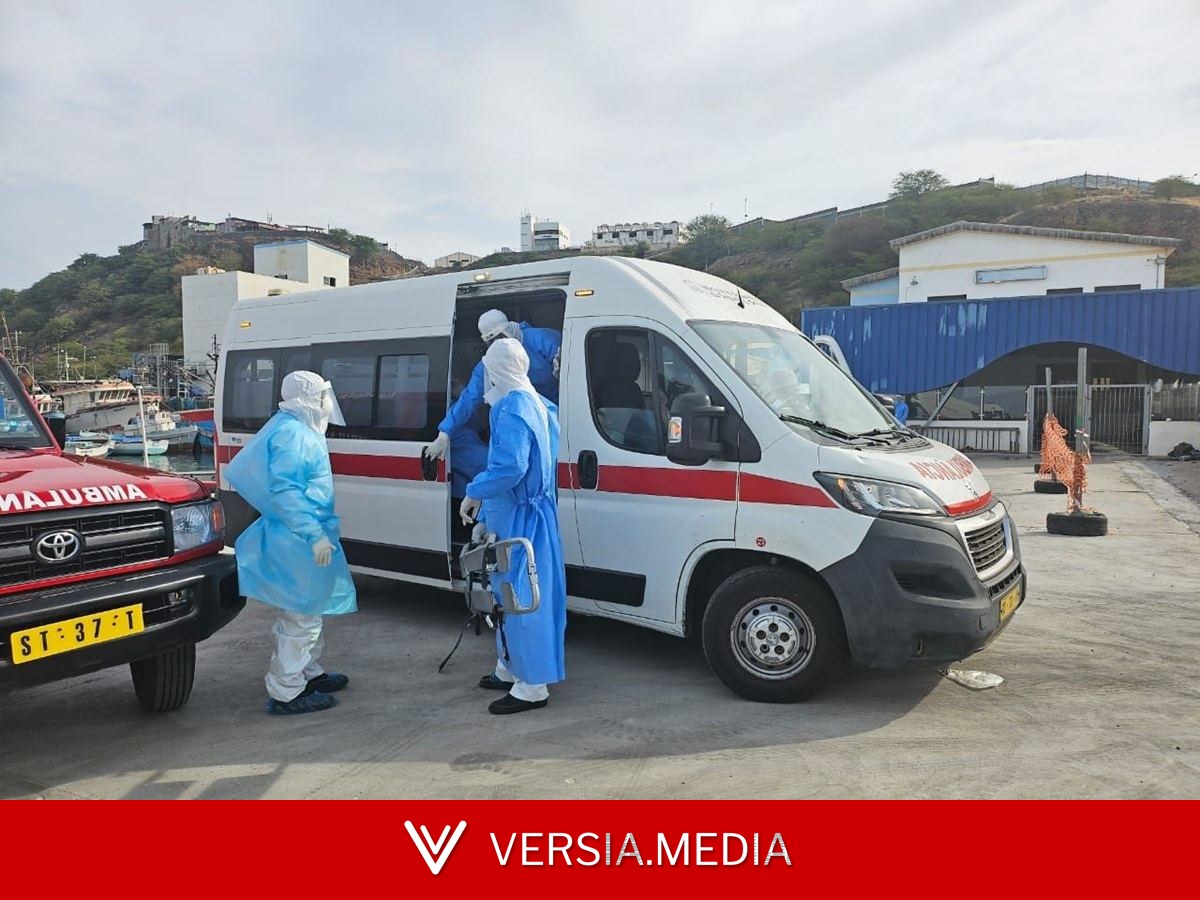
Dr Tedros Adhanom Ghebreyesus, WHO Director-General, provided an update to the media today regarding a group of hantavirus infections associated with a cruise vessel, the MV Hondius.
Thus far, eight cases have been recorded, with three fatalities among them. Of these eight cases, five have been confirmed as hantavirus.
The specific strain of hantavirus is the Andes virus, the sole type known to have the potential for restricted human-to-human transmission, which occurs through close and extended contact.
Addressing the situation, Dr Tedros stated, “While this is a serious incident, WHO assesses the public health risk as low.” He pointed out that due to the incubation period, “it’s possible that more cases may be reported.”
WHO is collaborating extensively with various nations under the International Health Regulations, or IHR, a framework that outlines the rights and duties of countries and WHO in managing public health occurrences. This event highlights the purpose of the IHR, underscoring the necessity of worldwide collaboration and unity in addressing health hazards that transcend boundaries.
“Our priorities are to ensure the affected patients receive care, that the remaining passengers on the ship are kept safe and treated with dignity, and to prevent any further spread of the virus,” Dr Tedros said.
Since being alerted to the situation on Saturday, 2 May 2026, WHO has implemented several measures. Most recently, these involve dispatching an expert to the vessel to aid in a thorough medical evaluation of all passengers and crew, while collecting essential data to assess their infection risk.
WHO has organized the delivery of 2,500 diagnostic kits from Argentina to laboratories across five countries to enhance testing capabilities. The Organization is also crafting detailed operational guidelines for the secure and considerate disembarkation and onward travel of passengers and crew upon their arrival.
Watch the full press conference