To the people of Tenerife,
My name is Tedros, and I am the Director-General of the World Health Organization, the United Nations agency tasked with overseeing global public health. It is unusual for me to write directly to the residents of a single community, but today I believe it is not only fitting, it is essential.
I wish to address you personally, not through press releases or technical updates, but as one human being speaking to another, because you merit that.
I understand you are anxious. I realize that hearing the term "outbreak" and seeing a vessel heading toward your coastline brings back memories that none of us have fully moved past. The suffering of 2020 remains fresh, and I do not minimize it in any way.
However, I need you to understand this clearly: this is not a repeat of COVID. The current public health threat from hantavirus remains minimal. My colleagues and I have stated this without ambiguity, and I reiterate it to you now.
The virus on the MV Hondius is the Andes strain of hantavirus. It is severe. Three individuals have died, and our sympathies go out to their loved ones. The danger to you, going about your daily routines in Tenerife, is minimal. This is the WHO's evaluation, and we do not take it lightly.
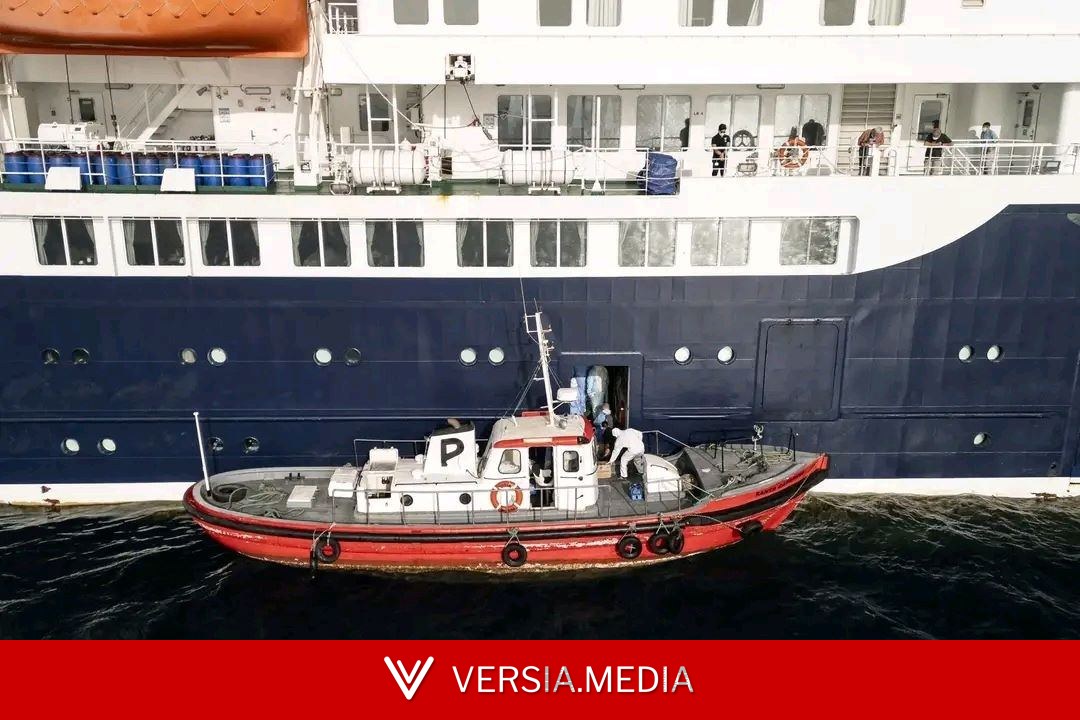
At this moment, no symptomatic passengers remain on board. A WHO expert is present on that ship. Medical supplies have been delivered. Spain’s authorities have developed a thorough, phased plan: passengers will be transported ashore at the industrial port of Granadilla, away from residential zones, in sealed, guarded vehicles, through a fully restricted corridor, and repatriated directly to their home nations. You will not come into contact with them. Your families will not come into contact with them.
I also wish to address something beyond the scientific aspects.
I personally expressed gratitude to Prime Minister Sanchez for Spain’s choice to welcome this ship. I described it as an act of solidarity and moral obligation. Because that is precisely what it is. I want you to recognize that the WHO’s request to Spain was not made without reason. It was made in full compliance with the International Health Regulations, the legally binding framework that outlines the rights and duties of countries and the WHO when addressing public health events of international concern. According to those rules, the nearest port with sufficient medical capacity must be identified to ensure the safety and dignity of those on board. Tenerife fulfilled that requirement. Spain upheld it. Nearly 150 individuals from 23 countries have been at sea for weeks, some grieving, all terrified, all yearning for home. Tenerife was selected because it possesses the medical capacity, the infrastructure, and the compassion to assist them in reaching safety.
And because I hold that belief so strongly, I will be present there myself. I plan to travel to Tenerife to witness this operation firsthand, to stand alongside the health workers, port staff, and officials who are executing it, and to personally honor an island that has faced a challenging situation with grace, solidarity, and compassion. Your humanity deserves to be seen, not merely acknowledged from afar.
As I have frequently stated: viruses are indifferent to politics, and they do not recognize borders. The strongest protection any of us possesses is solidarity.
Tenerife is exemplifying that solidarity today. The ship’s captain, Jan Dobrogowski, the crew, and the company operating the vessel have demonstrated outstanding cooperation during this difficult period. On behalf of the World Health Organization, and on behalf of those passengers and their families worldwide, I thank the people of Tenerife and everyone else involved.
Please care for yourselves and for one another. Have faith in the preparations that have been put in place. And know that the WHO stands with you, and with every person on that ship, at every stage.
With respect, care, and gratitude,
Tedros
Dr Tedros Adhanom Ghebreyesus
Director-General, World Health Organization