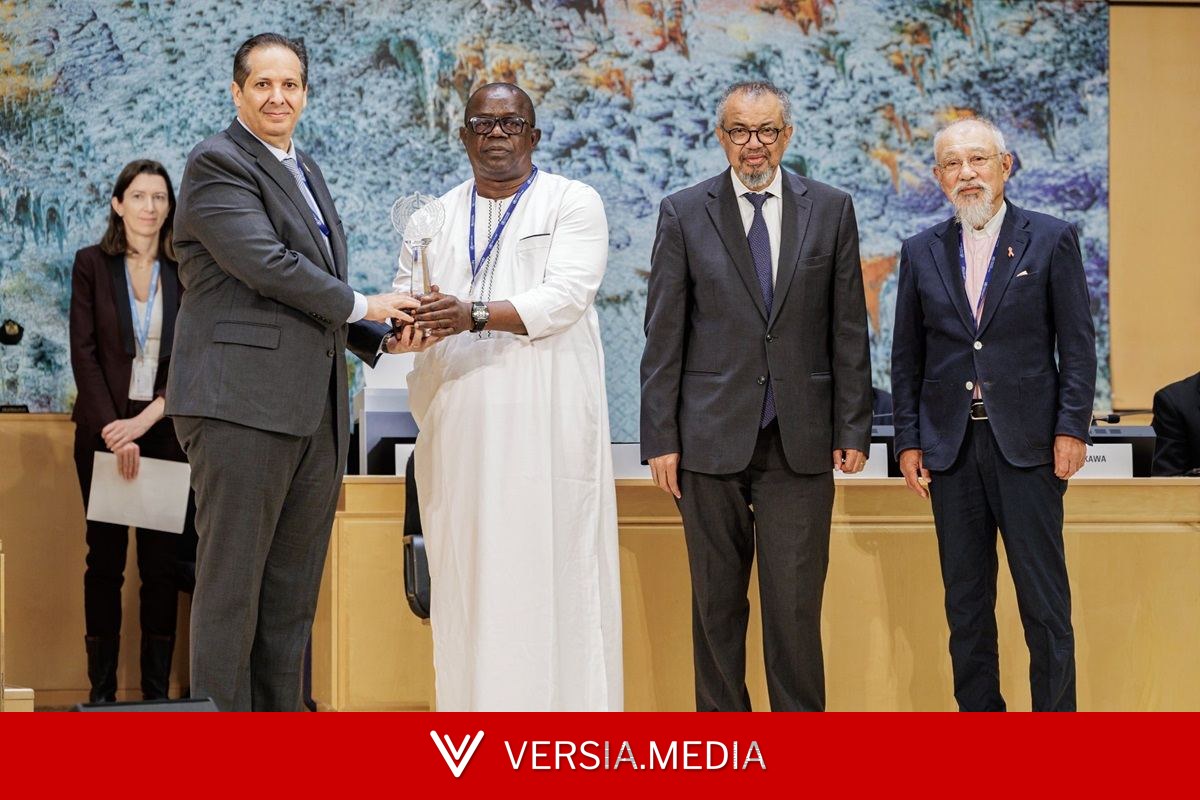
Today, the World Health Assembly paid tribute to individuals and organizations whose contributions to global health have far exceeded their formal responsibilities. The President of the Seventy-ninth World Health Assembly, Dr Víctor Elias Atallah Lajam of the Dominican Republic, along with representatives from the foundations that have sponsored these awards over the past four decades and WHO Director-General Dr Tedros Adhanom Ghebreyesus, honored six laureates from a variety of backgrounds and settings.
The 2026 awards celebrate the extraordinary commitment of the six recipients to strengthening primary health care, reducing disparities, and making the vision of health for all more attainable. Chosen by WHO’s Executive Board in February 2026, this year’s laureates exemplify a collective dedication to enhancing health outcomes via scientific rigor, creativity, and community engagement. Their efforts encompass reinforcing primary health care systems, advancing disease control, empowering communities, and broadening access to essential services for the most disadvantaged groups.
This year marks two decades since the passing of Dr LEE Jong-wook, WHO’s sixth Director-General, who died suddenly during the World Health Assembly in 2006. One of the prizes awarded today, the Dr LEE Jong-wook Memorial Prize for Public Health, commemorates his legacy and lasting impact on global health.
Recipients of the 2026 public health prizes
Sasakawa Health Prize
The Banconi Community Health Association (ASACOBA), Mali Recognized for its groundbreaking role in bolstering community-centered primary health care and empowering underserved populations through locally driven health services.
United Arab Emirates Health Foundation Prize
Dr Worawit Tontiwattanasap, Thailand Recognized for revolutionizing access to health services for rural, stateless, and cross-border communities through outreach initiatives, training, and policy advocacy.
State of Kuwait Health Promotion Foundation’s His Highness Sheikh Sabah Al-Ahmad Al-Jaber Al-Sabah Prize for the Promotion of Healthy Ageing
Professor Bruno Vellas, France Recognized for advancing and creating innovative, community-focused approaches to caring for older adults.
SingHealth, Singapore Recognized for its integrated, cross-sectoral, and community-driven strategies supporting healthy ageing and age-friendly environments.
Dr LEE Jong-wook Memorial Prize for Public Health
Professor Mohammad Abul Faiz, Bangladesh Recognized for his lifelong dedication to public health, especially in combating diseases affecting rural, impoverished, and marginalized communities.
Nelson Mandela Award for Health Promotion
Dr Amr Mohamed Kandeel, Egypt Recognized for his leadership in constructing a robust, prevention-focused public health system that integrates disease control, digital innovation, and equity.
About WHO public health prizes and awards
Each year, during the World Health Assembly, public health prizes and awards are conferred upon individuals and institutions from across the globe in recognition of their exceptional contributions to public health.
Public health foundation prizes are awarded based on nominations submitted by WHO Member States and previous laureates. Selection panels, comprising representatives from the prize foundations and WHO Executive Board Members, evaluate candidates and propose recommendations. The WHO Executive Board designates the winners annually, and the awards are presented during a plenary session of the World Health Assembly.
Over the last 15 years, more than 80 laureates from over 50 WHO Member States have received public health prizes. In 2026, nearly 100 nominations were submitted from all six WHO regions, indicating a notable rise in global involvement in recognizing excellence in public health.
About WHO
Committed to the well-being of all people and guided by science, the World Health Organization leads and spearheads global efforts to ensure that everyone, everywhere has an equal opportunity to live a safe and healthy life.
We are the UN health agency that connects nations, partners, and people on the front lines in over 150 locations—leading the global response to health emergencies, preventing disease, addressing the underlying causes of health issues, and expanding access to medicines and healthcare. Our mission is to promote health, keep the world safe, and serve the vulnerable.
“Together for health. Stand with science,” the theme of World Health Day 2026, initiates a year-long campaign emphasizing science as the cornerstone for safeguarding health and well-being worldwide.