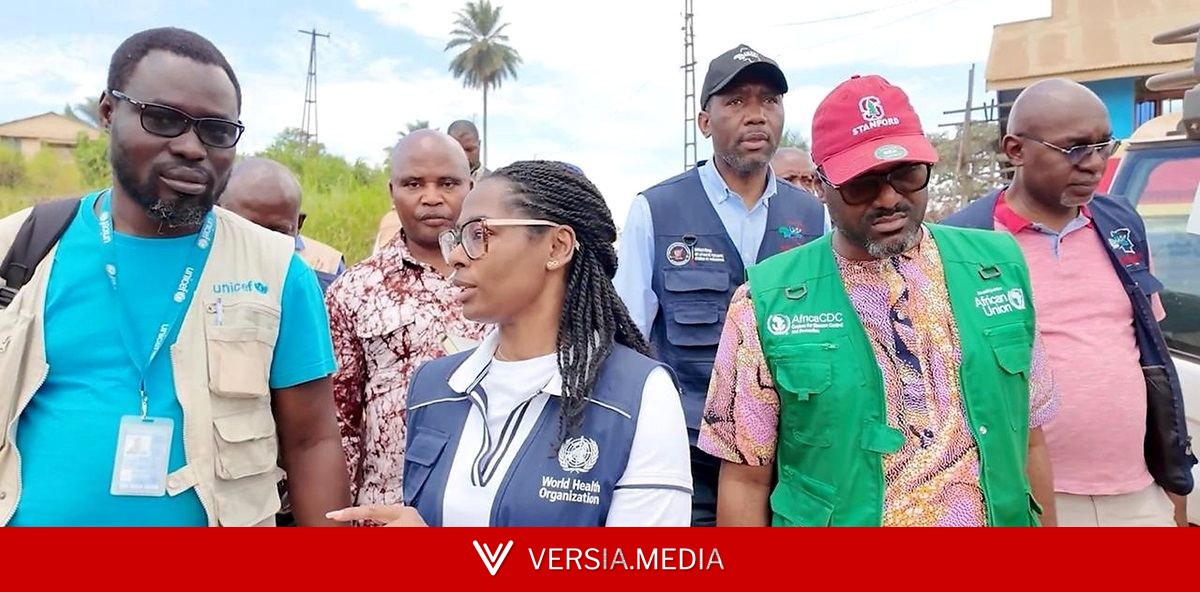
The Africa Centres for Disease Control and Prevention (Africa CDC) and the World Health Organization (WHO) have jointly unveiled a continental preparedness and response plan addressing the ongoing Ebola outbreak caused by the Bundibugyo virus. The initiative seeks to secure US$ 518 million to assist African nations, alongside partners, in preparing for, rapidly identifying, and responding to the outbreak.
Spanning June to November 2026, the six-month plan unites governments, partners, and communities under a cohesive ‘One Response’ framework to bolster outbreak response actions. These include emergency coordination, disease surveillance, laboratory diagnostics, infection prevention and control, clinical management, community engagement, research, logistics, and support for essential health services.
The plan complements national response strategies already initiated by the governments of the Democratic Republic of the Congo and Uganda.
“The sole way to defeat this outbreak is through strong partnership, collaborating under the direction of the impacted nations in a unified effort, guided by a straightforward concept: one plan, one budget, one team,” stated Dr Tedros Adhanom Ghebreyesus, WHO Director-General. “Containing Ebola relies on political dedication, sustained funding, and the trust and involvement of communities. This plan puts communities at the core, because without their participation, contact tracing fails, safe care is postponed, and transmission persists.”
Dr Jean Kaseya, Director-General of Africa CDC, remarked: “Ebola spreads quickly. Africa must act even faster. This joint plan provides the continent with a clear strategy to move swiftly and cohesively: to save lives, assist the affected nations, and safeguard neighboring communities. Alongside Member States, WHO, and partners, Africa CDC is transforming commitment into action and resources into a response for at-risk communities.”
The plan additionally prioritizes safeguarding vulnerable groups, boosting cross-border cooperation, and enabling countries to react promptly to new cases. Given that no licensed vaccines or therapeutics are specifically approved for the Bundibugyo strain of Ebola, the plan aims to reinforce health systems to maintain resilience while countries address acute health emergencies.
Preparedness and response activities are already being executed across affected and at-risk countries. Moreover, critical measures are being enhanced in 10 priority nations to improve public health emergency readiness and guarantee early detection and swift action.
The plan underscores the necessity of sustaining support for other ongoing health crises, such as mpox, cholera, and measles, to avoid disruptions to vital response initiatives and protect progress toward stronger, more resilient health systems.
This coordinated endeavor occurs as response operations intensify in the Democratic Republic of the Congo, where authorities, backed by Africa CDC, WHO, and partners, are scaling up efforts to contain the virus’s spread and end the outbreak.
Africa CDC and WHO call on Member States to intensify screening and public health measures at entry points and improve cross-border coordination and solidarity to facilitate a timely, effective, and evidence-driven response to the outbreak.
Through this joint preparedness and response plan, the continent is leveraging its collective expertise and resources to strengthen response measures, acting unitedly to control the outbreak and shield communities across the region. Its successful execution will demand strong political will, sustained investment, and close collaboration among governments, health workers, communities, and partners.
Drawing on insights from prior Ebola outbreaks and recent public health emergencies, the plan also offers a pathway to broadly enhance Africa’s capability to prevent, detect, and respond to future health threats while protecting lives and livelihoods.
About Africa CDC
The Africa Centres for Disease Control and Prevention (Africa CDC) serves as the public health agency of the African Union. As an autonomous entity, Africa CDC assists AU Member States in strengthening health systems, improving disease surveillance, and boosting emergency preparedness and response. It collaborates with Member States, Regional Economic Communities, and partners to prevent, detect, and respond swiftly and effectively to disease threats and outbreaks across the continent.
For further details, visit www.africacdc.org and follow Africa CDC on LinkedIn, X, Facebook, and YouTube.
About WHO
Committed to the well-being of all people and guided by science, the World Health Organization leads and promotes global efforts to provide everyone, everywhere with an equal opportunity for a safe and healthy life.
As the UN agency for health, it connects nations, partners, and individuals on the front lines in over 150 locations – spearheading the world’s response to health emergencies, preventing disease, addressing the underlying causes of health issues, and expanding access to medicines and healthcare. Its mission is to foster health, ensure global safety, and serve the vulnerable.
“Together for health. Stand with science,” the theme of World Health Day 2026, marks a year-long campaign highlighting science as the foundation for protecting health and well-being worldwide.