New data from the World Health Organization (WHO) indicate consistent advancements toward safer global blood supplies, yet they also underscore ongoing disparities in access to safe blood, as well as shortcomings in governance, funding, and oversight of blood systems.
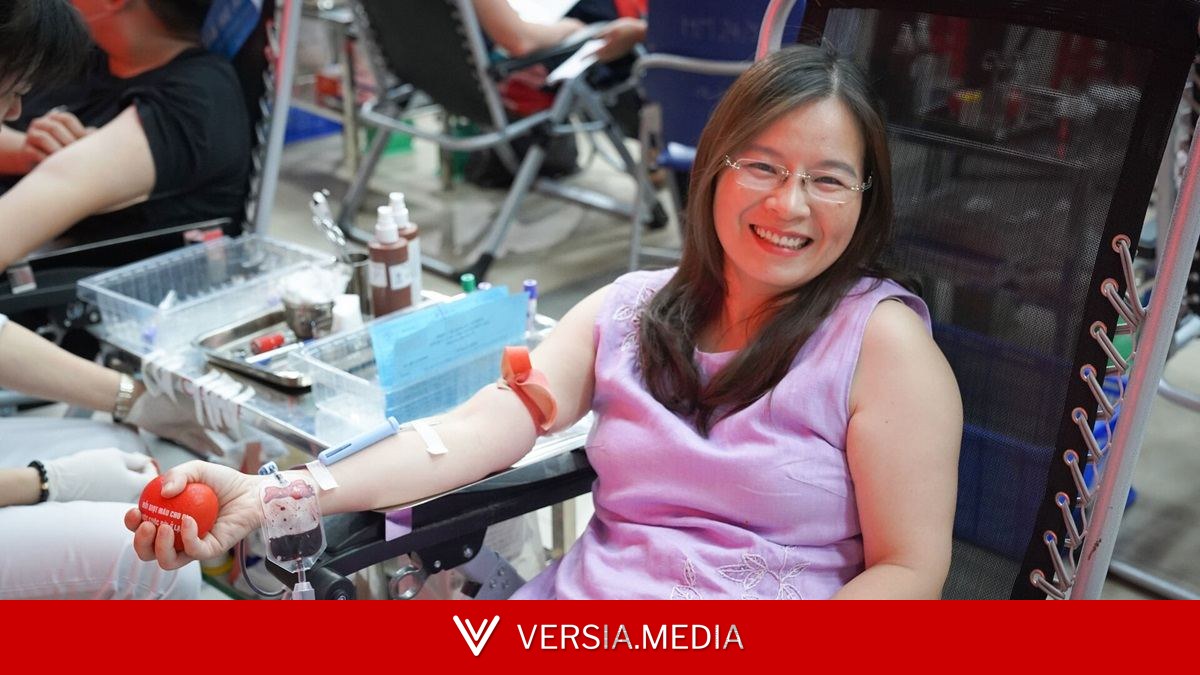
Information gathered from 132 nations reveals that worldwide blood collections rose by nearly 19% between 2013 and 2023. Voluntary, uncompensated donors continued to propel this advancement, making up more than 85% of the estimated 120 million blood donations received in 2023.
Notwithstanding these improvements, access to safe blood and blood products remains markedly uneven across the globe. Numerous patients—including women facing life-threatening hemorrhage during childbirth, children with severe anemia, trauma or burn victims, individuals undergoing surgery, and those with conditions like sickle-cell disease, thalassemia, hemophilia, immune deficiencies, and certain cancers—still lack dependable access to safe blood and life-saving transfusions, particularly in low-income nations.
"No one should die because safe blood is unavailable when it is needed," stated Dr. Tedros Adhanom Ghebreyesus, WHO Director-General. "These data show encouraging progress, particularly in the growing contribution of voluntary unpaid blood donors worldwide—the cornerstone of safe and sustainable blood supplies—but it also reminds us that where a person lives can still determine whether they have access to the blood transfusion they need. Governments must continue investing in strong, sustainable national blood systems and supporting the voluntary unpaid blood donors whose generosity saves millions of lives every year."
Persistent inequities in blood accessibility
Although high-income countries represent only 15% of the global population, they collect 36% of all blood donations worldwide. Conversely, many low-income countries continue to face blood supply shortages due to limited funding, weak infrastructure, logistical hurdles, and insufficient donor recruitment.
Blood donation rates vary dramatically across countries, spanning from 0.4 to 53 donations per 1000 population. Twenty-four nations reported collecting fewer than 5 blood donations per 1000 population, indicating severe limitations in providing timely transfusions for patients in need.
The share of blood collected from voluntary, unpaid donors also differs considerably based on countries' income levels. While such donations account for 98.4% of all blood donations in high-income countries, this proportion drops to 63.4% in low-income nations, where health systems often struggle to sustain adequate and reliable blood supplies.
Stronger governance and financing required
Safe blood depends on robust governance and regulation of blood systems, along with sustained engagement and commitment from blood donors. WHO analysis shows that nearly one-third of countries still lack specific legislation to ensure the safety and quality of blood and blood products. Only 64% of countries report systems for regular inspection of blood services, 62% have licensing systems, and just 40% indicate that at least some blood transfusion services are accredited—highlighting significant gaps in quality assurance across the safe blood supply chain.
Sustainable financing remains a major obstacle. More than 1 in 7 countries reported having neither dedicated government budget allocations nor cost-recovery mechanisms for blood services, raising concerns about the long-term viability of national blood supplies.
As part of efforts to build resilient and equitable health systems, WHO calls on countries and partners to strengthen governance and regulation of blood services, ensure sustainable financing, expand quality assurance programs, improve clinical transfusion practices, and enhance surveillance and data systems to support evidence-based decision-making. These measures are essential to ensuring universal access to safe, effective, and quality-assured blood and blood products, regardless of where people live.
WHO is releasing this latest dataset ahead of World Blood Donor Day, observed annually on 14 June. This year’s campaign, under the slogan “One Drop of Humanity. Give Blood. Save Lives,” recognizes the contribution of voluntary unpaid blood donors and highlights how every blood donation supports patients in need, strengthens communities, and contributes to resilient health systems.
Notes to editors
The Global status report on blood safety and availability 2025 draws on data from 168 countries, covering 97% of the world’s population, and provides the most comprehensive global assessment of blood systems to date. It examines blood availability, transfusion safety, clinical use of blood, access to plasma-derived medicinal products, and the capacity of national blood systems. Findings are based primarily on 2023 data reported by countries through the WHO Global Database on Blood Safety (GDBS).
About WHO
Dedicated to the well-being of all people and guided by science, the World Health Organization leads and champions global efforts to give everyone, everywhere an equal chance at a safe and healthy life. We are the United Nations’ agency for health that connects nations, partners and people on the front lines in 150+ locations—leading the world’s response to health emergencies, preventing disease, addressing the root causes of health issues, and expanding access to medicines and health care. Our mission is to support all countries to promote, provide, and protect health.
“Together for health. Stand with science,” the theme of World Health Day 2026, marks a year-long campaign to highlight science as the foundation for protecting health and well-being worldwide.